Record the problem without diagnosing it
Write down what you notice: lingering cooking odours, a bathroom that stays damp, a room that becomes stuffy with the door closed, or a temperature difference after a layout change. Note timing, weather, use and any recent work. These observations help an appropriate professional decide what to investigate.
Different problems can share similar symptoms. Condensation does not by itself identify a fan fault, and an uncomfortable room does not automatically prove that the heating equipment is too small. Keep the observation separate from the proposed product so the assessment can consider several causes.
Exhaust and air replacement belong in the same discussion
Kitchen and bathroom exhaust move air out of the home. The source and path of replacement air, and interactions with other equipment, need to be considered for the actual building. A higher advertised fan capacity is not automatically a complete solution.
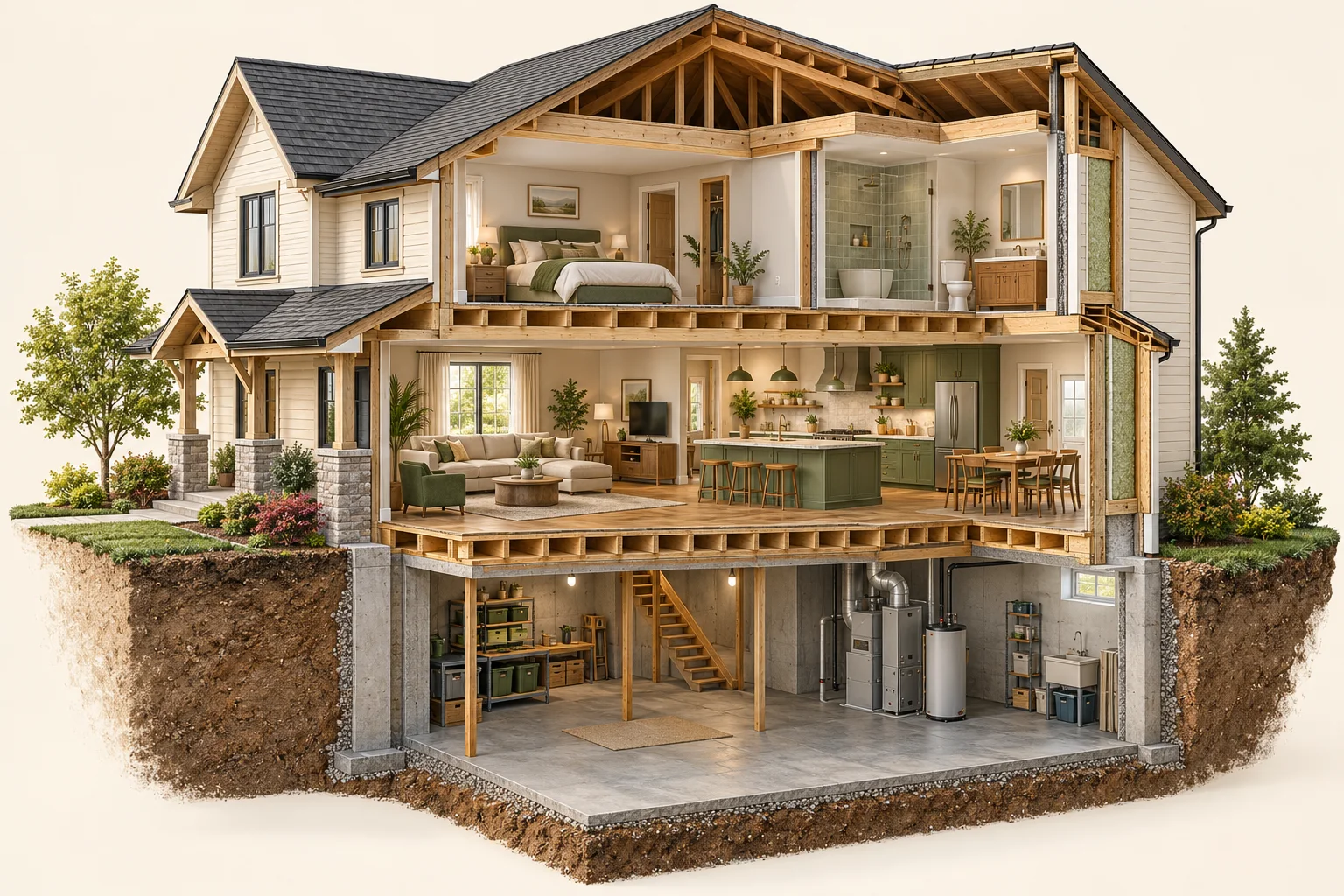
NRCan’s house-as-a-system explanation describes the connections among ventilation, air leakage, moisture and combustion. If fuel-burning equipment is present, have the relevant qualified people consider the proposed changes and applicable requirements. Do not use this guide to alter vents, ducts, appliance connections or combustion-air arrangements.
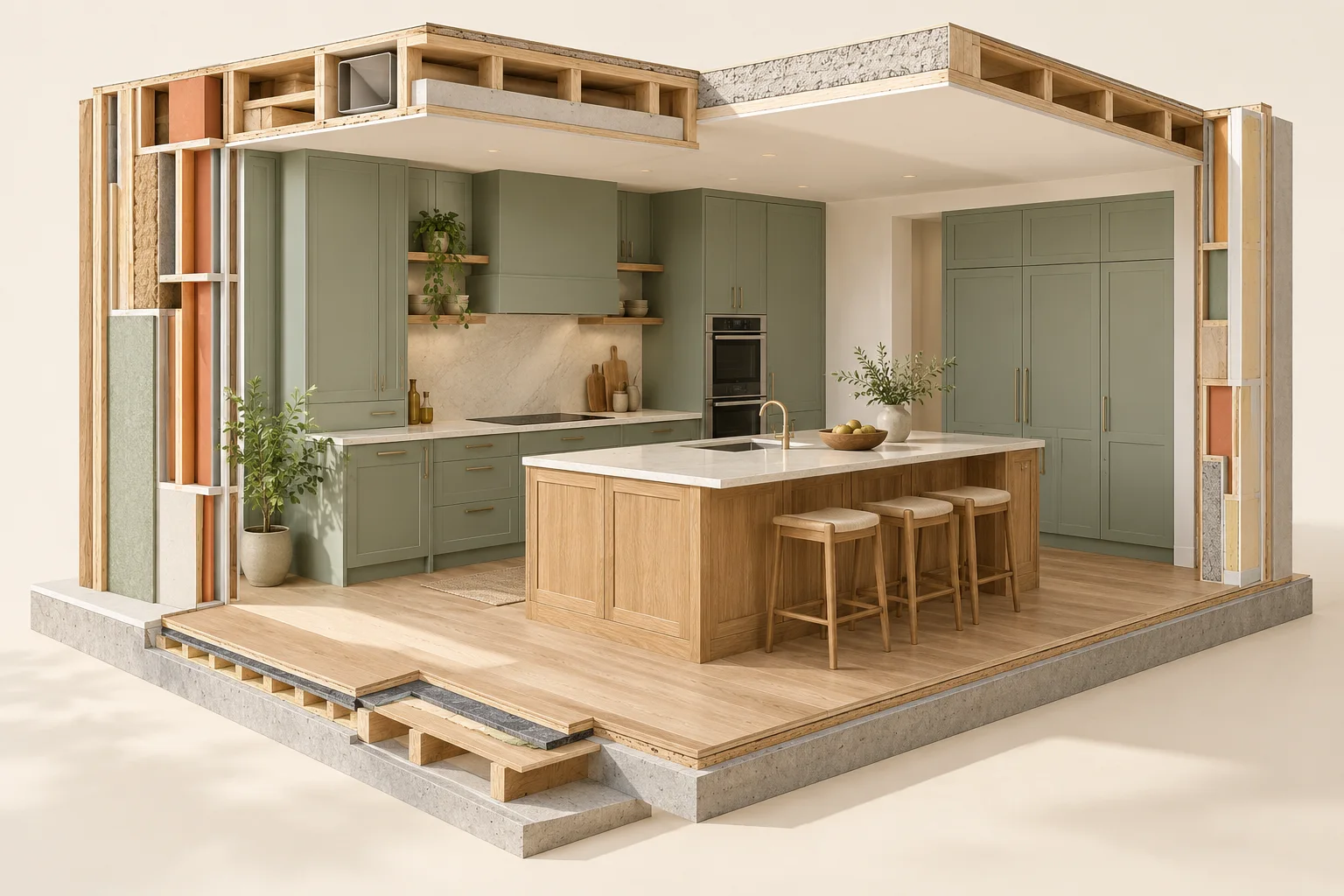
A kitchen hood has several interfaces
A hood choice involves the cooking equipment, cabinet arrangement, intended duct route, exterior termination, controls and any other requirements for the selected equipment and home. Ask the responsible designer and trade what has been confirmed and what remains provisional.
An attractive cabinet drawing can conceal an unresolved exhaust route. A substitution may change the space needed for equipment or the proposed arrangement. Keep the exact model information with the layout and ask who verifies the complete installation before cabinetry or other finishes make changes difficult.
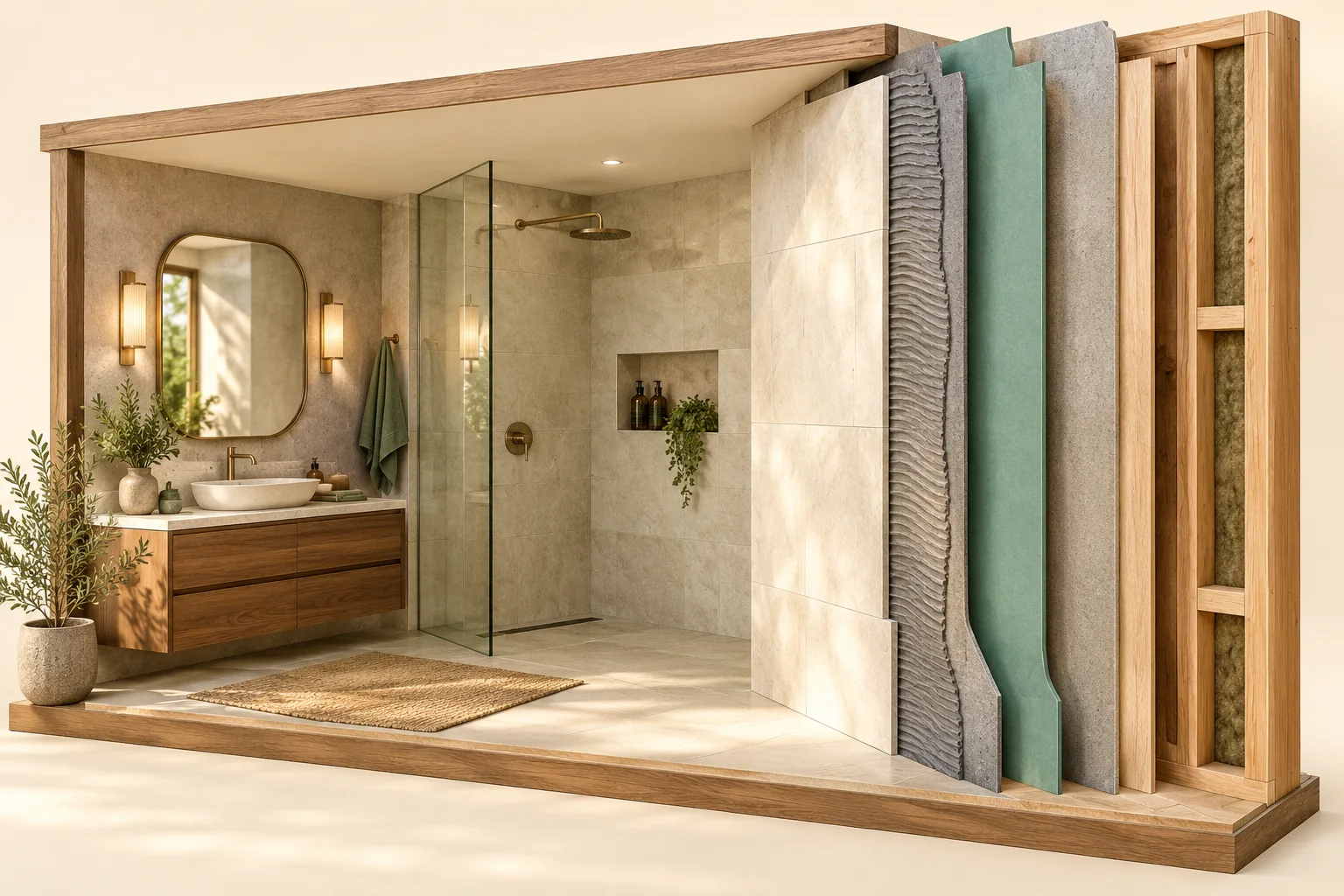
A bathroom fan is part of an air route
Ask where the selected exhaust is intended to go, what route and termination are proposed and how the system is operated and maintained. An equipment label does not establish installed performance. The responsible trade should confirm suitability and the required checks for the actual arrangement.
When the room is being redesigned, discuss controls, access and the household’s use. Record how the bathroom relates to the home’s broader ventilation strategy rather than assuming every exhaust device works independently. Keep maintenance instructions and product information at handover.
Enclosure improvements can change the starting conditions
Air sealing, windows, insulation and altered room arrangements can affect how the house behaves. This is a reason to coordinate the project, not an argument against improvements. Ask what evaluation and ventilation planning are appropriate before treating separate upgrades as unrelated purchases.
Health Canada’s radon measurement guidance recommends re-testing in the next heating season after renovations affecting structure or ventilation. Follow its current measurement guidance and obtain appropriate professional help where needed. A renovation, a visual inspection or a new fan does not establish a home’s radon result.
Keep the handover understandable
Ask the contractor to explain the intended operation, settings the owner is expected to use, maintenance and any verification records supplied for the work. Keep manufacturer documents for the actual installed products, including substitutions. Do not adopt an internet setting as a universal answer for the home.
If an issue is noticed later, record when it happens and what is operating at the time, without opening or adjusting unsafe equipment. Return that information to the appropriate professional. The enclosure guide and owner record help keep those connections visible.
WORKED PLANNING SCENARIO / FICTIONAL
A fictional hood chosen after the cabinets
The cabinet layout is nearly final when a household changes its cooking equipment and hood preference. The team pauses the affected order to review the hood’s current installation information, the proposed route and the broader ventilation questions.
That review may change the design or product selection. The useful habit is to coordinate before ordering, rather than assuming an opening in a cabinet completes the ventilation plan.
YOUR TAKEAWAY
Bring these questions.
- What do we observe, and under what conditions?
- Who assesses the interaction with existing equipment and air movement?
- Are the actual hood, fan and control products coordinated with the layout?
- How are routes, terminations, access and verification included?
- What whole-home follow-up, including radon testing where relevant, belongs in the owner record?
References & further reading
Reference links reviewed October 24, 2026. Use the current local requirements and actual product documents for your project.